
Why Gen Z is Switching to Zero Nicotine Vapes Like the Kado Bar NI40000
Why Gen Z is Switching to Zero Nicotine Vapes Like the Kado Bar NI40000
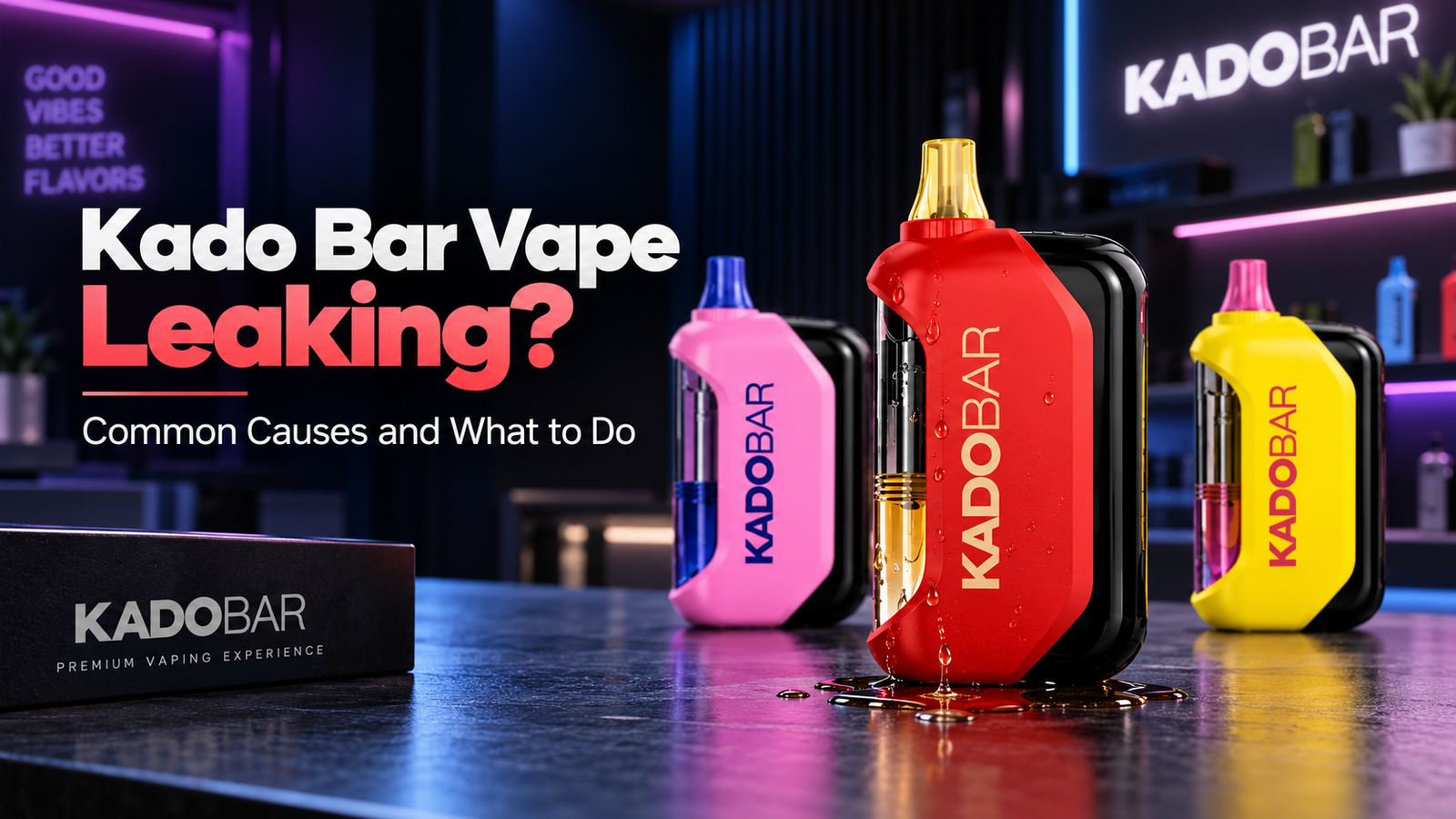

A leaking vape can be frustrating, especially when you notice e-liquid around the mouthpiece, airflow openings, or bottom of your device. While a small amount of condensation can sometimes appear around the mouthpiece, actual e-liquid leakage is different and should not be ignored.
Kado Bar devices are designed as closed-system disposable or prefilled devices, so you generally cannot open them, refill the reservoir, or replace internal components yourself. Kado Bar’s FAQ specifically notes that minor condensation around the mouthpiece can be normal, but if liquid is coming from the airflow holes or charging port, users should stop using the device and contact support.
This guide explains the most common reasons a Kado Bar may leak, how to identify the problem, what you can safely do, and when the device should simply be replaced.
Before troubleshooting, it’s important to determine whether you’re seeing condensation or e-liquid.
A small amount of moisture around the mouthpiece can occur during normal use. It may feel slightly wet but isn’t necessarily a sign that the internal reservoir has failed. Kado Bar‘s own FAQ identifies minor mouthpiece condensation as normal.
A more serious issue may involve:
If liquid is escaping from the airflow holes or charging port, the manufacturer’s guidance is to stop using the device and contact support.
There isn’t always one single reason for a leak. Temperature, storage, physical damage, condensation, airflow, and internal component problems can all contribute.
One of the simplest explanations is condensation.
During use, vapor travels through the internal airway. Some of that vapor can cool and turn back into small amounts of moisture around the mouthpiece.
This can make the device appear to be leaking when the issue is actually condensation.
Remove any visible moisture from the outside of the mouthpiece with a clean, dry tissue or cloth.
Avoid inserting sharp objects into the mouthpiece or airflow system.
If moisture continues to accumulate heavily or you see actual e-liquid, treat it as a potential leak rather than ordinary condensation.
How a vape is stored can affect liquid movement inside the device.
Keeping a disposable on its side for extended periods may allow e-liquid to move toward areas of the airflow system where it shouldn’t accumulate.
General vape troubleshooting guidance recommends keeping devices upright when they’re not being used.
Proper storage won’t fix a damaged device, but it can help reduce unnecessary liquid movement.
Temperature is another important factor.
E-liquid becomes less viscous when it gets warm. If a device is exposed to significant heat, thinner liquid can move more easily through the internal wicking and airflow system.
For example, leaving a vape in a hot vehicle or direct sunlight can create conditions that contribute to seepage. General vape troubleshooting sources also identify heat and temperature changes as common factors in leakage.
Move the device away from the heat source and allow it to return naturally to room temperature.
Do not attempt to rapidly heat or cool the device.
If the device has become unusually hot, is damaged, or continues leaking afterward, stop using it.
A disposable vape contains a sealed internal liquid reservoir and electronic components. Dropping or crushing the device can potentially damage its internal structure.
Look for:
A damaged disposable isn’t something you should attempt to repair yourself.
If the device is visibly damaged and leaking, don’t continue vaping from it. Keep it away from children and pets and follow the manufacturer’s or local guidance for disposal.
Another possible reason for a wet mouthpiece or gurgling sound is excess liquid within the airflow pathway.
This can sometimes happen when liquid moves toward the coil or airway. General vape troubleshooting guidance identifies flooded airflow or excess liquid around the coil as a common cause of leaking and gurgling.
With a refillable tank, users may be able to remove the pod or coil and clean it. That approach does not apply to a sealed Kado Bar disposable.
Instead, wipe the outside of the device and mouthpiece. If liquid continues to come through the airway, discontinue use.
Sometimes the problem isn’t caused by storage or user handling.
A disposable can potentially develop an internal seal or construction issue, particularly if it arrives leaking straight out of the package.
If a brand-new device is already leaking, don’t assume you need to “break it in.”
Some Kado Bar retailer policies specifically treat devices that arrive leaking or defective as warranty issues.
If you’ve confirmed that the liquid is more than ordinary condensation, follow these steps.
If e-liquid is actively leaking, don’t continue taking puffs to see whether the problem disappears.
Kado Bar’s FAQ specifically recommends stopping use when liquid is coming from the airflow holes or charging port.
Nicotine-containing e-liquid should not be intentionally handled.
If liquid gets on your skin, wash the affected area thoroughly with soap and water. If it gets into your eyes, rinse with clean water and seek appropriate medical advice if irritation persists.
Use a clean, dry tissue or cloth to remove liquid from the outside.
Pay particular attention to the mouthpiece and exterior surfaces.
Look for cracks, dents, loose parts, or obvious damage.
Don’t open the device to investigate the internal components.
Kado Bar’s FAQ states that its disposable devices are closed systems and aren’t designed to be refilled.
Trying to open the casing can damage the battery, electronics, seals, or reservoir.
If the device is new or the leak continues, contact the retailer or manufacturer with:
This gives the seller enough information to determine whether the device may qualify for replacement.
A few common “quick fixes” can actually make the situation worse.
A disposable vape isn’t designed for user repair. Opening the casing can expose internal electronic and battery components.
Never use a needle, pin, knife, or other sharp object to make holes in the casing or airflow system.
Closed-system disposables aren’t designed to be refilled.
Liquid around an electronic charging connection is a reason to stop using the device rather than attempting to clean and continue vaping. Kado Bar specifically advises discontinuing use when leakage occurs from the charging port.
Heat can increase liquid movement and may also create additional battery-safety concerns.
When possible, store the device vertically rather than leaving it on its side for long periods.
Keep the vape away from:
Temperature changes can influence e-liquid movement.
Regularly check the mouthpiece for condensation or accumulated moisture.
A dry tissue is usually enough for external cleaning.
Avoid putting excessive pressure on the casing, particularly when carrying it in a tightly packed pocket or bag.
Drops and impacts can potentially damage the housing or internal seals.
| Sign | Condensation | Possible Leak |
|---|---|---|
| Small amount of moisture at mouthpiece | Common | Possible |
| Persistent liquid buildup | Less typical | More concerning |
| Liquid from airflow holes | No | Yes |
| Liquid around charging port | No | Yes |
| Visible casing damage | No | Possible |
| Gurgling/wet draw | Sometimes | Possible |
| Continual loss of e-liquid | No | Yes |
The most important distinction is where the liquid is coming from. Minor moisture around the mouthpiece can be normal, while liquid escaping through the airflow system or charging port should be treated as a problem.
Not necessarily.
A device can leak while it still contains e-liquid. Leakage generally indicates that liquid is reaching an area where it shouldn’t, rather than simply meaning that the reservoir is empty.
If the device is nearly empty, you may instead notice reduced vapor production or no vapor. Kado Bar’s FAQ notes that users can monitor liquid levels on models equipped with a screen, and an empty device should be replaced rather than refilled.
For a sealed disposable, there are limited safe DIY fixes.
You can:
You should not disassemble the device, replace internal seals, refill the reservoir, or attempt battery repairs.
If the device is genuinely leaking internally, replacement or warranty support is generally the safer solution.
A Kado Bar vape leaking doesn’t always mean the device is completely defective. A little moisture around the mouthpiece may simply be condensation, while persistent liquid around the airflow openings, bottom, or charging port is a more serious sign.
Start by checking where the liquid is coming from, wipe the exterior, inspect the device for damage, and consider whether it has recently been exposed to heat or stored on its side. However, because Kado Bar disposables are closed systems, internal leaks aren’t something you should try to repair yourself.
If the device continues to leak—or arrives leaking straight out of the package—the safest approach is to stop using it and contact the seller or manufacturer for assistance.
Responsible-use note: Kado Bar products may contain nicotine, which is addictive. Nicotine products should only be used by adults who are legally permitted to use them. People who don’t currently use nicotine should not start.
It could be condensation or excess e-liquid in the internal airflow path. Small amounts of condensation can be normal, but persistent liquid or repeated leakage should be investigated.
A bottom leak can indicate that e-liquid has reached the airflow area or that an internal seal or component has been compromised. If liquid is coming from the airflow openings, stop using the device and contact support.
It’s better not to use a device that is actively leaking, particularly if liquid is coming from the airflow holes or charging port. Kado Bar’s own FAQ recommends stopping use in these circumstances.
A small amount can be normal. Kado Bar specifically distinguishes minor mouthpiece condensation from liquid leaking through the airflow or charging port.
No. Kado Bar disposable devices are closed systems and aren’t designed for user disassembly or refilling.
Stop using it, keep the packaging and purchase information, document the problem with photos or video, and contact the retailer or manufacturer about a possible replacement.
Heat can make e-liquid less viscous, which may make seepage more likely. Avoid leaving the device in direct sunlight or a hot vehicle.
Why Gen Z is Switching to Zero Nicotine Vapes Like the Kado Bar NI40000
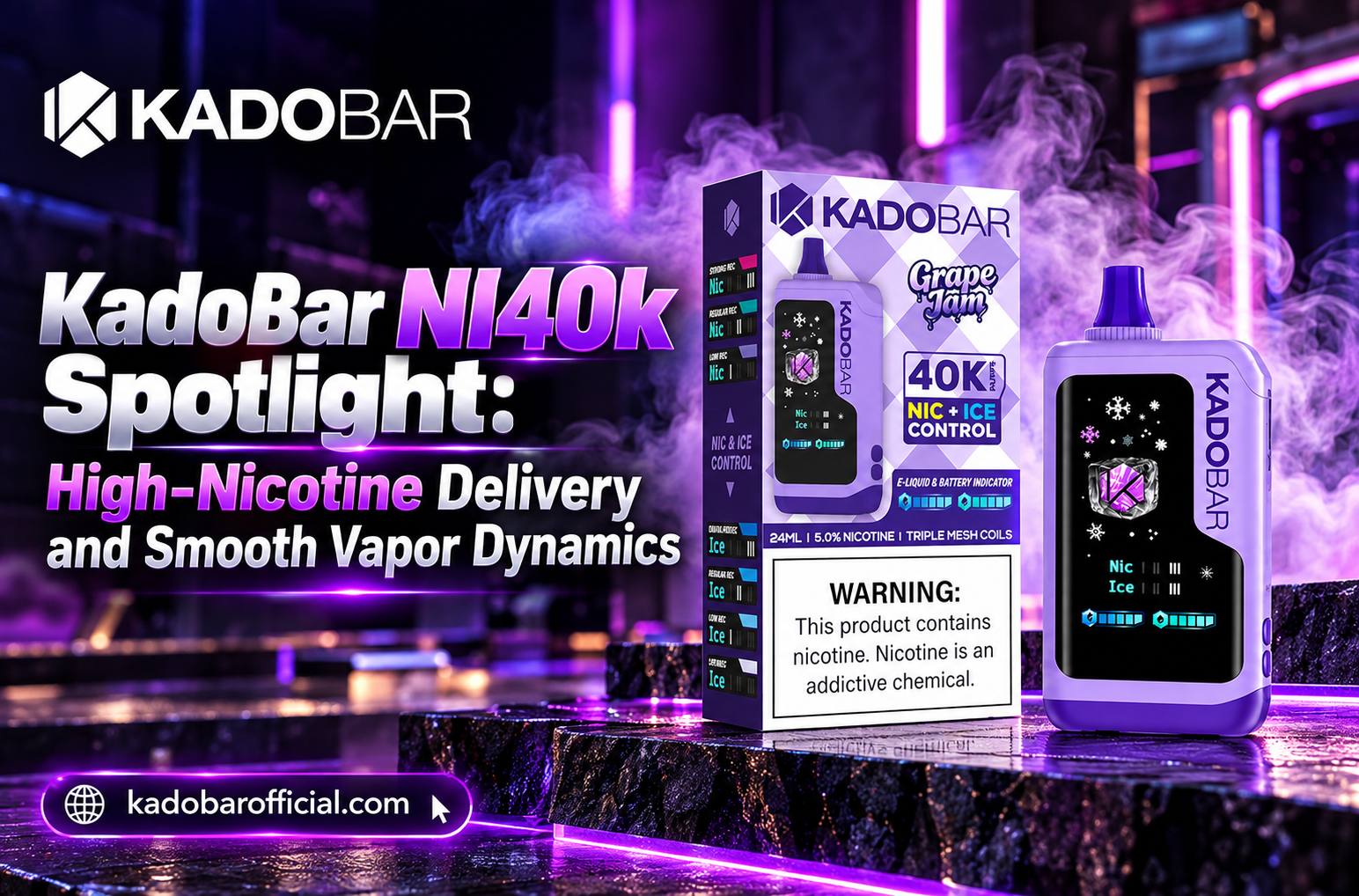
Table of Contents Disposable vapes continue to advance in design, battery capacity, and overall output quality. The KadoBar NI40k is built specifically to address two

Seeing your Kado Bar vape blink when you take a puff can be confusing. In most cases, the flashing light is the device’s way of

A Kado Bar vape that suddenly stops producing vapor can be frustrating, especially when the device looks like it still has battery or e-liquid remaining.
A leaking vape can be frustrating, especially when you notice e-liquid around the mouthpiece, airflow openings, or bottom of your device. While a small amount
To use the Kado Bar Official website you must be aged 21 years or over.
Please verify your age before entering the site.